ADVERTISEMENT
Skills employers look for in 2026 are changing. Candidates need to adapt to the shifts in the job market. Understanding these skills is essential for future success.
With technology transforming workplaces, the ability to embrace new tools is crucial. Employers are seeking individuals who can navigate these changes effectively.
Stay ahead of the competition by learning about the skills that will be in demand. Keep reading to discover what you need to thrive!
Emerging Technologies
Emerging technologies are changing how we work and live. In 2026, skills related to these technologies will be essential for job seekers. From artificial intelligence to virtual reality, understanding how these tools work can give you a big advantage.
Employers will look for candidates who are familiar with the latest tech. For example, knowing how to use data analytics can help businesses make smart decisions. Being comfortable with automation can also save time and increase productivity.
As these technologies grow, so do the opportunities for workers. Learning about them will not just make you more employable; it can also open doors to exciting careers in various fields. Stay informed and be ready for the future!
Soft Skills on the Rise
Soft skills are becoming more important in the workplace. As technology takes over many tasks, employers want people who can work well with others. Skills like communication, teamwork, and empathy are essential for creating a positive work environment.
In 2026, being able to connect with customers and team members will set you apart. Companies will value those who can listen, adapt, and solve problems creatively. These soft skills help build strong relationships and lead to better results.
As the job market changes, focus on developing your soft skills. Taking part in group activities or volunteering can help you practice. Embracing these skills can open many doors and make you a valuable asset to any company.
Adaptability and Problem Solving
Adaptability and problem solving are key skills for success in 2026. As workplaces evolve, challenges will arise that require quick thinking and flexibility. Employers want workers who can adjust to changes and find solutions when problems occur.
Being adaptable means you can embrace new ideas and methods. When faced with a tough situation, those who can think outside the box will stand out. For instance, if a project takes an unexpected turn, adaptable employees can pivot smoothly without missing a beat.
Developing problem-solving skills can make you a valuable team member. Practice looking for answers, rather than just pointing out issues. Joining clubs, participating in simulations, or engaging in team sports can help build these skills in a fun way. The more you practice, the more prepared you will be for the future!
The Importance of Communication
The importance of communication cannot be overstated in today’s workplace. As teams become more diverse and remote, clear communication is key to ensuring everyone is on the same page. Employers in 2026 will look for individuals who can express ideas clearly and listen actively.
Strong communication skills help prevent misunderstandings and promote teamwork. Whether it’s in meetings, emails, or chats, being able to convey information effectively is crucial. Employees who can communicate well contribute to a positive work atmosphere and can help resolve conflicts more easily.
To improve your communication skills, practice is essential. Joining a public speaking group or taking part in team projects can provide valuable experience. The better you get at communicating, the more attractive you will be to future employers.
Teamwork in a Remote Environment
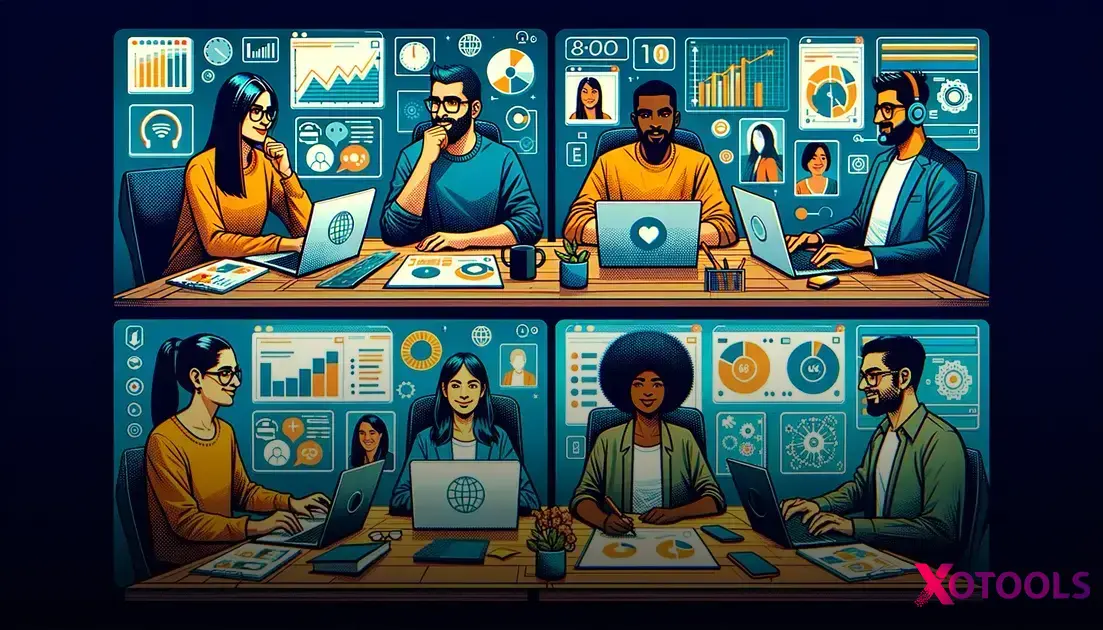
Teamwork in a remote environment is becoming essential. With more people working from home, companies need employees who can collaborate effectively online. This means sharing ideas, resources, and support, even if everyone is in different places.
One key to successful remote teamwork is open communication. Using video calls, chat tools, and shared documents allows team members to stay connected. When everyone feels included and heard, projects run more smoothly, and team spirit stays strong.
Additionally, being reliable is crucial. Team members should meet deadlines and contribute their fair share to keep the team moving forward. Trust is built when everyone knows they can count on each other. Learning to work well in a team remotely can set you apart as a valuable candidate in the job market.
Analytical Thinking
Analytical thinking is a crucial skill for the workplace in 2026. It involves evaluating information and using it to make decisions. Employers are looking for people who can break down problems, analyze data, and draw conclusions. This logic helps businesses grow and improve.
Being an analytical thinker means not just accepting things at face value. It requires asking questions and digging deeper into issues. For example, if a project isn’t going well, an analytical thinker will investigate the cause and suggest solutions, rather than just pointing out the problem.
To sharpen your analytical thinking skills, engage in activities that require problem-solving. Puzzles, strategy games, and analyzing real-world data can help you practice. The more you work on these skills, the better prepared you will be to tackle challenges in your future career.
Diversity and Inclusion
Diversity and inclusion are vital in today’s workplaces. In 2026, employers will seek individuals who appreciate differences in backgrounds, cultures, and ideas. A diverse team brings fresh perspectives, promotes innovation, and often leads to better problem-solving.
Being inclusive means ensuring everyone feels valued and heard. When team members come from various backgrounds, they contribute unique experiences. This also helps to create a supportive environment where creativity can flourish. Companies that focus on diversity and inclusion often have stronger team dynamics and greater overall success.
To prepare for the future, it’s important to embrace diversity in your own life. Engage with people from different cultures, listen to their stories, and learn from their experiences. Developing these skills will make you a more attractive candidate as employers prioritize inclusive work environments.
Continuous Learning
Continuous learning is a must-have skill for the future workforce. Employers in 2026 will seek individuals who show a willingness to grow and adapt. This means always being open to new ideas and ready to learn from experiences. Taking online courses, attending workshops, or simply reading books can help you maintain this growth mindset.
Learning doesn’t stop after formal education. In fact, the best professionals actively seek out opportunities to enhance their knowledge. Whether through networking, online platforms, or in-person classes, staying updated with industry trends is essential for staying competitive in the job market.
To cultivate a habit of continuous learning, set personal goals and seek feedback from others. Join communities that encourage learning and knowledge sharing. By focusing on growth and improvement, you can position yourself as a valuable asset to any company.